
المجموع الإجمالي:

لديك فرصة للفوز لطيفة خصم كبيرة من الدهون. هل أنت جاهز؟
يمكنك تدوير العجلة مرة واحدة فقط. إذا فزت، فسيكون قسيمة الخصم صالحة لمدة 30 يومًا من تاريخ الفوز.

العناية بالاطارات والعجلات
خدمات السيارات
عروض الفروع
تغيير الزيت
الفرامل والتعليق
العناية بالبطارية
Checkout using your account
Checkout as a new customer
Creating an account has many benefits:
تمت المراجعة بواسطة
متخصص في الإطارات، Tire.ae
محمد محمودي هو مدير العمليات في Tire.ae، ويساعد العملاء على اختيار الإطارات المناسبة لمركباتهم. كما يحرص على تقديم خدمات تركيب احترافية وتجربة موثوقة في جميع أنحاء الإمارات
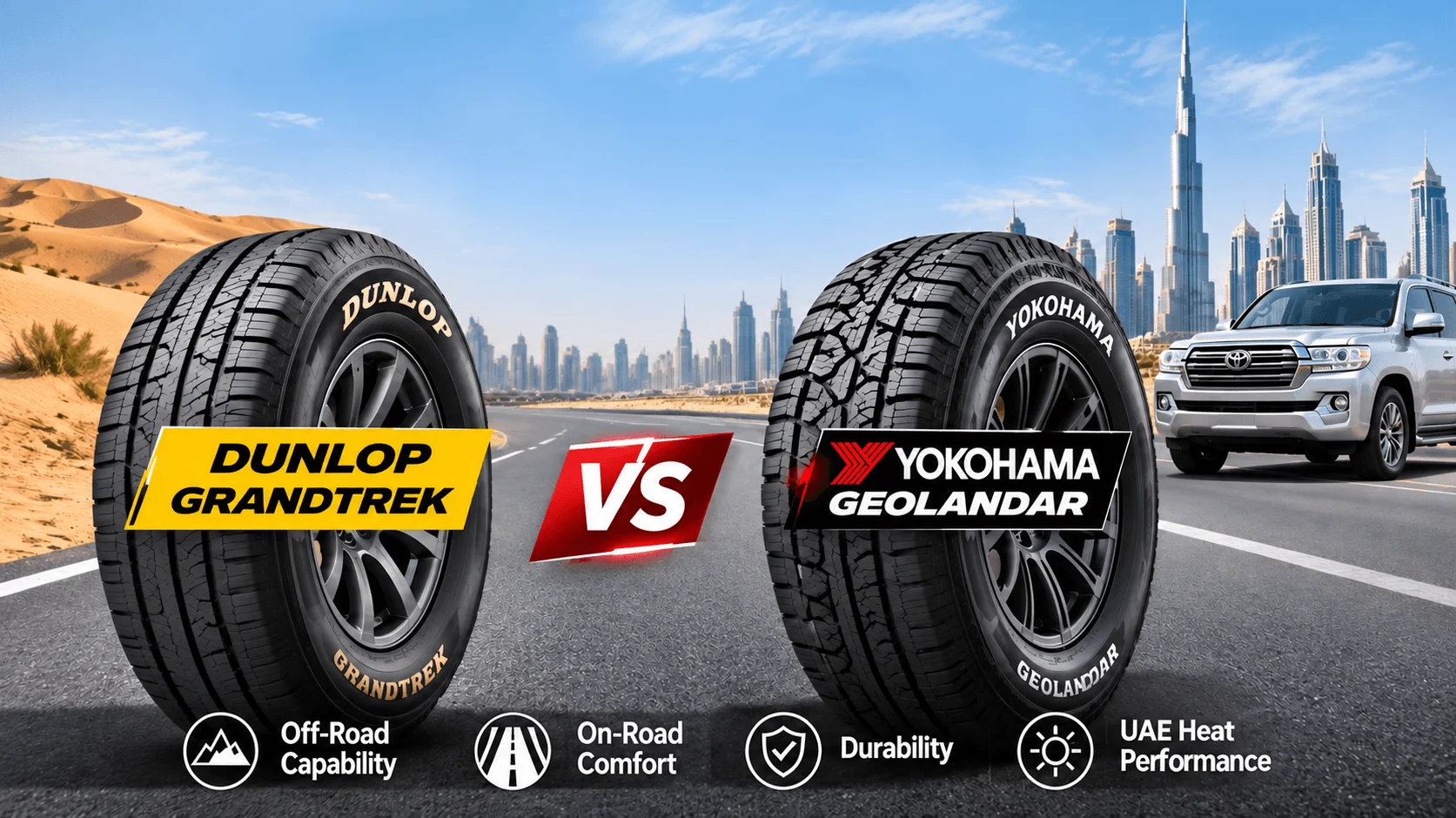
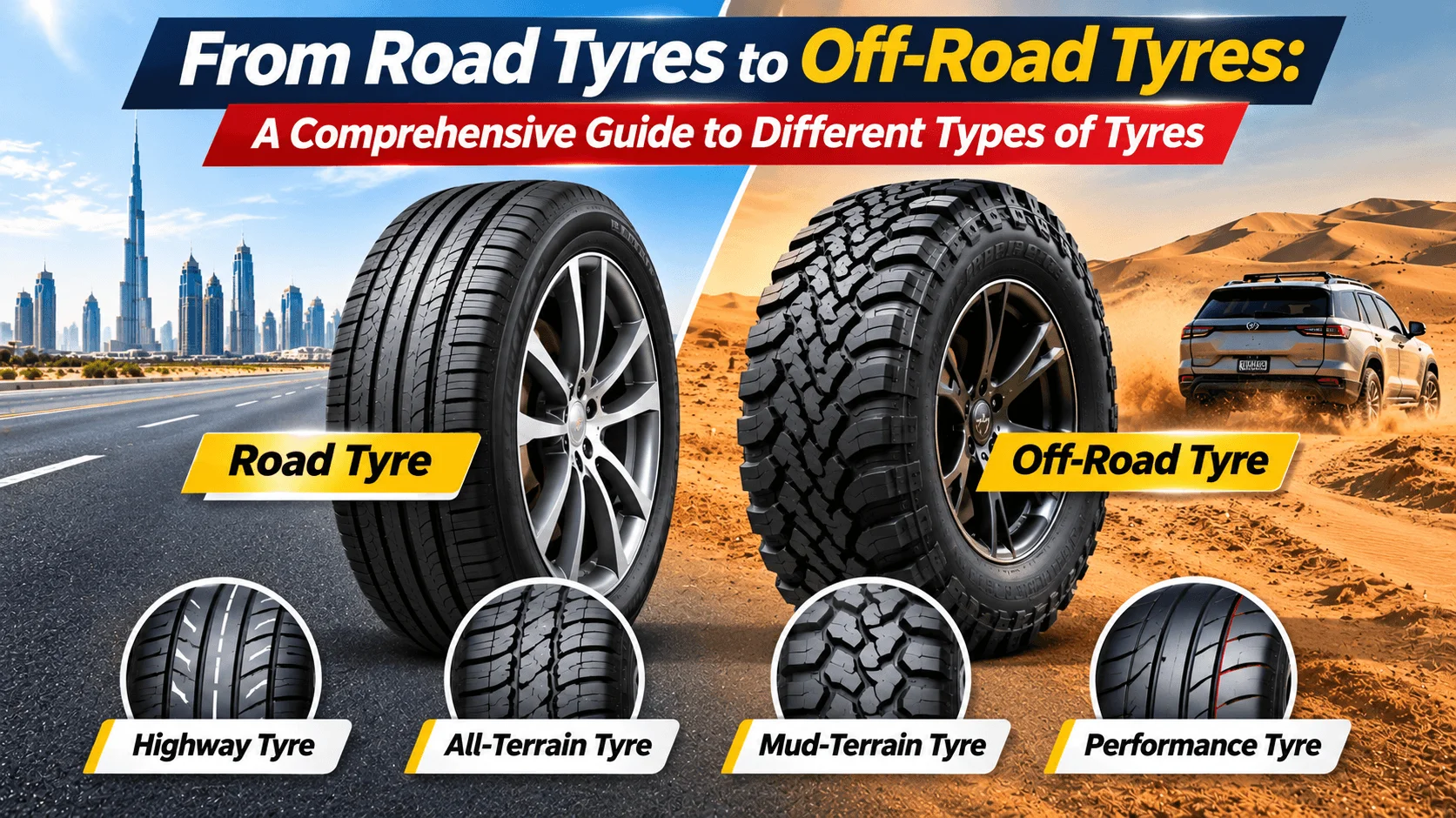
The main difference between road and off-road tyres is their tread pattern, construction, and intended use. Road Car tyres are tailored to paved roads and motorways, while off-road tyres provide added grip on rough or uneven roads. All-terrain tyres are a hybrid of the two, giving customers who use both regularly an option.
There is no one-size-fits-all answer; the right choice depends on your car, your driving style, and the roads you drive on. The manufacturer-approved size, load index, and speed rating are things to consider before purchasing tyres. These specifications help to identify an appropriate tyre for your vehicle.
Road tyres are intended for cars that drive on paved roads most of the time. Their tread patterns are usually based on road grip, braking, comfort, stability, and noise control.
Common types include:
Road tyres are generally the practical choice if you rarely leave paved roads. Choosing an aggressive off-road design for everyday motorway driving may introduce unnecessary noise and reduce comfort.
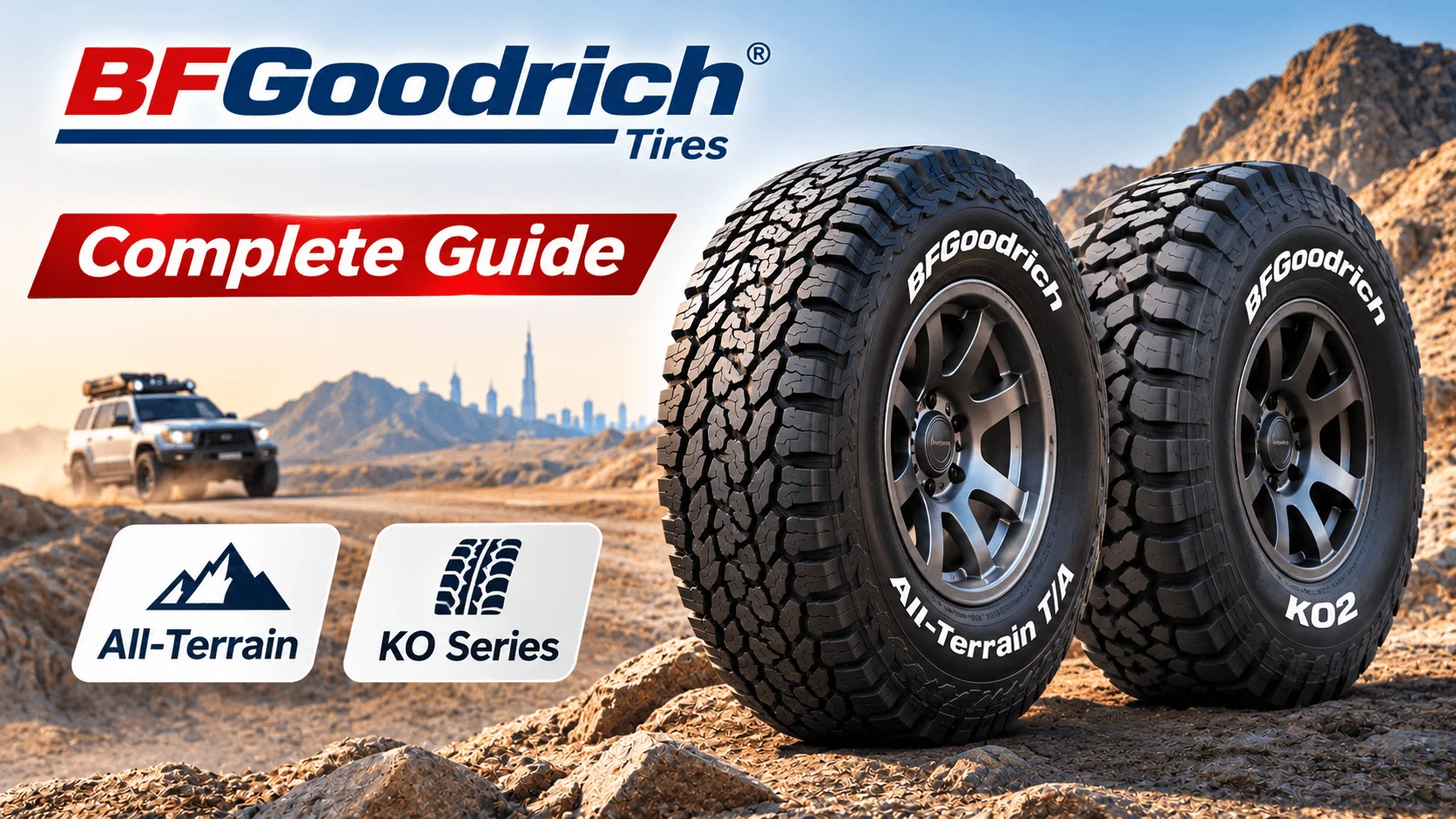
All-terrain (A/T) tyres are designed to perform on paved roads and some off-road surfaces, such as gravel, dirt tracks, and rough terrain. Their tread blocks are typically more open and pronounced than those on highway tyres, helping them find traction on loose surfaces.
They can be appropriate for SUV and 4x4 owners who might travel on desert tracks, gravel roads or light trails once a week but mostly during the week. Nevertheless, there is a trade-off to all-terrain tyres. They can generate more road noise, ride firmer, or exhibit greater rolling resistance than road-oriented ones, depending on the model.
The balance of on-road and off-road capability varies across A/T tyres. Examine the all-terrain label, but also look at the description and performance data for the specific model from the manufacturer.
Off-road tyres are designed to provide traction on loose, uneven or challenging surfaces where road-focused tyres may struggle. Their treads and types of construction depend on the ground which they are supposed to be used in.
Common off-road tyre types include:
An off-road tyre is not automatically suitable for every type of terrain. Mud, sand, gravel and rocks place different demands on the tread and tyre construction. Choose according to the conditions you actually encounter.
The three common SUV and 4x4 categories have different strengths.
The most suitable tyre depends on where you drive and the type of driving. Highway-terrain (H/T) or road-oriented touring tyres are generally better suited for regular commuting in Dubai, Abu Dhabi, and other UAE cities than aggressive off-road tyres.
An all-terrain tyre can be a more practical compromise if you own a 4x4 and regularly visit desert locations or off-road areas. A specialised off-road option will be required when drivers often face difficult mud or rough roads.
Things to consider when making a selection include:
A tyre designed for demanding off-road conditions is not necessarily the safest or most comfortable choice for everyday road use.
Start with your vehicle manufacturer's approved specifications. Tyre size, load index, and speed index should meet the vehicle requirements. The load index indicates the maximum load a tyre can carry under specified conditions, while the speed rating identifies the maximum speed at which it is rated to operate under specified conditions.
Second, compare individual models from established tyre brands. Even the tread design of two different products from the same manufacturer can differ greatly in design and use. Review product information provided by the manufacturer and, where possible, reliable independent tests.
When comparing prices at a tyre shop UAE, do not choose a tyre based on a discount alone. Check its manufacturing date, warranty, installation cost and suitability for your vehicle. Always search using your vehicle's approved tyre specifications rather than selecting a product based only on its appearance or price.
Periodic maintenance helps detect issues before they develop into serious problems. Measure tyre pressure when cold, and keep it to the values recommended by the car manufacturer. Check the sidewalls and treads for any cuts, cracks, bulges and uneven wear.
Following off-road use, check for a rock stuck in the tread or damage from sharp rocks or other hazards. Clean the tyres (where needed) and call in a professional to check them when you see evident damage or excessive vibration. On vehicles used both on-road and off-road, also check pressure before subjecting them to normal highway conditions.
Choosing between road, all-terrain and off-road tyres depends on the surfaces you drive on most often. Road-focused tyres are generally suitable for everyday commuting, while all-terrain and specialised off-road options suit drivers who regularly explore gravel tracks, desert routes, or challenging terrain. Always confirm your vehicle's approved tyre specifications before purchasing.
Visit Tire.ae to explore available tyre options, compare models and find suitable products for your vehicle. Whether you need tyres for daily city driving or off-road use, choose a product that matches your driving requirements and vehicle specifications.
صُممت إطارات الطرق بشكل أساسي للأسطح المعبدة، مع إعطاء الأولوية للثبات والراحة وسهولة التحكم. أما إطارات الطرق الوعرة، فتتميز بتصميمات مداس وبنية تهدف إلى توفير قوة جر على التضاريس الرخوة أو غير المستوية.
نعم. صُممت العديد من الإطارات المخصصة لجميع التضاريس للاستخدام على الطرق المعبدة والطرق الوعرة على حد سواء. ومع ذلك، قد تكون أكثر إصدارًا للضوضاء وأقل راحةً مقارنةً بالإطارات المخصصة للطرق السريعة، وذلك حسب الطراز.
يمكن استخدامها على الطرق إذا كان الإطار المعني معتمدًا لهذا الغرض، لكن أنماط مداسها القوية قد تولد ضوضاءً أكثر وتقلل من راحة الركوب مقارنةً بالإطارات المصممة خصيصًا للطرق.
يعتمد الخيار المناسب على طبيعة الرمال ونوع السيارة ومدى تكرار استخدامها في الطرق الوعرة. ويمكن النظر في استخدام إطارات مناسبة لجميع التضاريس أو مخصصة للرمال، شريطة أن تستوفي متطلبات السيارة وتوصيات الشركة المصنعة.
يعتمد التآكل على طراز الإطار، وضغط الهواء، ومحاذاة العجلات، وأسلوب القيادة، وظروف الطريق. وقد تتآكل بعض إطارات الطرق الوعرة ذات الأداء القوي بشكل مختلف، أو قد تقدم أداءً أقل سلاسة على الطرق المعبدة مقارنةً بإطارات الطرق السريعة.