





Tyre Plug vs Patch vs Replacement in the UAE: When Is a Repair Safe?
- Oct 21, 2026
MM
Reviewed By
Mohammad Mahmoudi
Tyre Specialist, Tire.ae
Mohammad Mahmoudi is the Operations Manager at Tire.ae, helping customers choose the right tyres for their vehicles. He ensures professional fitting services and a reliable experience across the UAE.
Reviewed on October 21, 2026
A punctured tyre doesn't always need replacing, but a quick plug isn't suitable for every type of damage. Professionals can repair a tyre puncture if it's within the permitted tread area, meets applicable size limits, and hasn't caused internal structural damage.
According to Michelin Middle East, tread-area punctures up to 6 mm can be repaired professionally; most other damage, including most sidewall damage, requires replacement. Michelin also suggests removing the tyre from the wheel so they can inspect its internal condition and make the repair permanent.
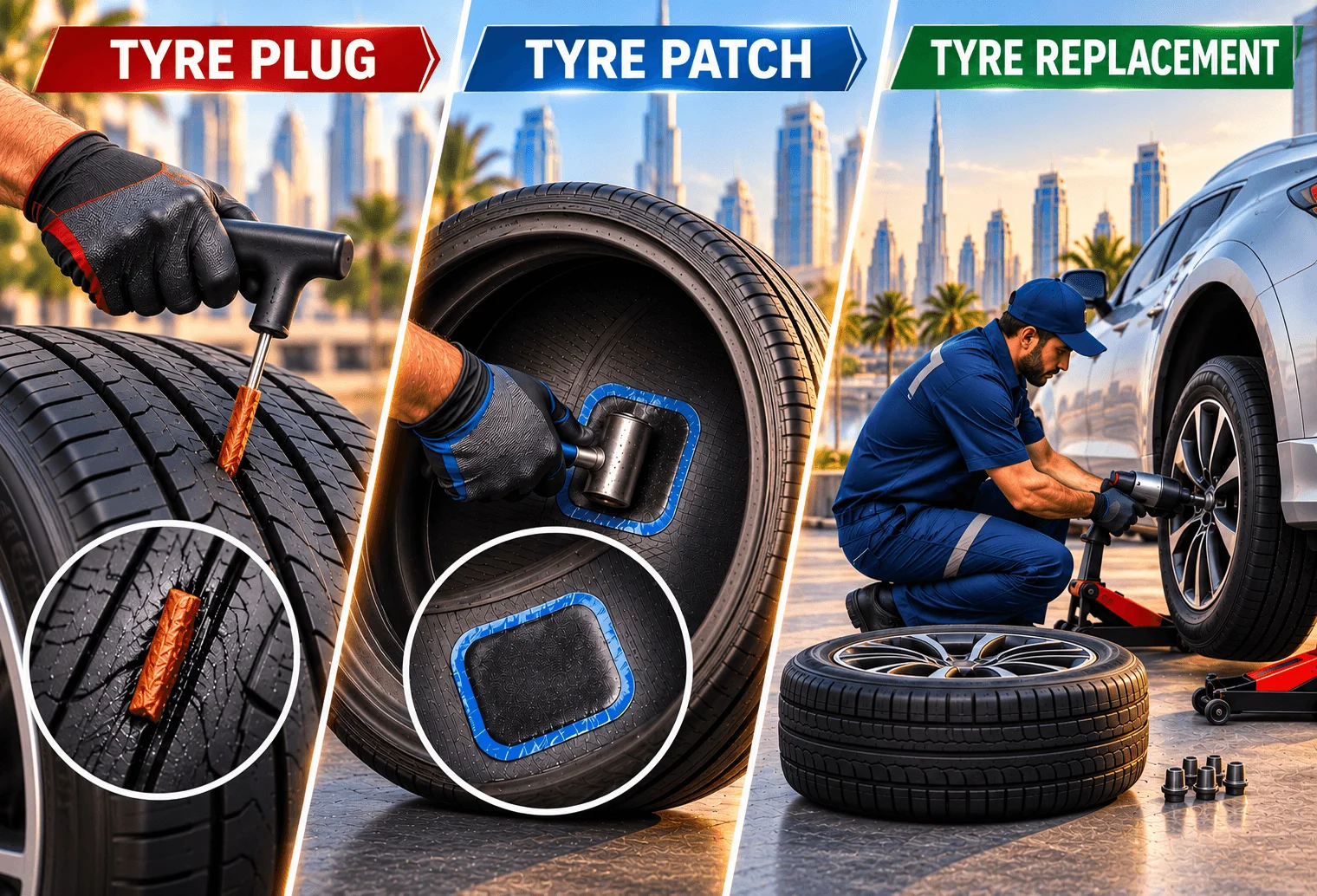
A tyre plug fits into the hole, and a patch keeps the inner liner airtight; a replacement takes the damaged tyre out of service altogether. A professional repair typically involves an internal patch and rubber stem or filling the puncture.
What Do Tyre Plug, "Patch" and "Replacement" Mean?
Before comparing repair methods, it helps to understand what each term actually describes. The method matters because stopping an air leak is not the same as ensuring the tyre remains structurally safe.
- Tyre Plug
A tyre plug is inserted into the puncture channel, not inside the tyre. It primarily prevents air from escaping through the hole.
The downside of a plug-only repair is that the tyre can stay on the wheel, so the technician may not inspect the inner liner or see damage caused by low-pressure driving. Michelin advises that an on-the-wheel repair isn't a permanent solution because once a tyre is punctured, you must check inside.
- Internal Patch
After removing the tyre from the wheel, a patch is applied to the inside of the tyre liner. It seals the inside surface around the puncture.
An internal patch seals the inner liner around the damaged area. However, a patch alone may not fill the entire puncture channel. A suitable professional repair generally uses a combination unit that seals the liner and fills the puncture.
- Patch-and-Plug Repair
A patch-and-plug repair combines an internal patch with a rubber stem that fills the puncture channel. USTMA recommends this combination for eligible punctures because it seals both the inner liner and the channel through the tyre. First, remove the tyre from the wheel and fully inspect it.
- Tyre Replacement
Tyre replacement means removing the damaged tyre from service and fitting a suitable new one. The replacement should match the vehicle manufacturer's approved size, load index, speed rating and other fitment requirements.
If a puncture is beyond repair, the tyre is too big, or it has structural damage, replacement is the safest option.
What Are the Key Differences Between a Plug, Patch and Replacement?
A plug, an internal patch, a combination repair and a replacement differ in how they address tyre damage. The correct choice depends on the puncture's location and size, the tyre's internal condition and the manufacturer's repair guidelines.
- Repair Method
A plug fills the puncture channel from outside. A patch seals the tyre from inside. A patch-and-plug repair treats both the puncture path and inner liner, while replacement removes the damaged tyre entirely.
- Internal Inspection
A plug-only repair may be done without removing the tyre from the wheel. A proper internal patch or combination repair requires demounting the tyre so the technician can inspect the inner liner, sidewall, and carcass for hidden damage. This is one reason professional repair standards favour internal inspection.
- Repairable Area
Punctures in the main tread area may be repairable if they meet the applicable size limits and the tyre has no internal damage. Michelin states that shoulder punctures are not repairable and that sidewall damage generally requires replacement, subject to the tyre's specifications and its repair policy.
- Maximum Puncture Size
USTMA sets a general maximum puncture diameter of 6 mm (¼ inch) for eligible passenger-car and light truck tyre repairs. Michelin also identifies 6 mm as the limit for many repairable tread-area punctures. This does not guarantee that every puncture within that size is repairable; location, internal damage, and the tyre manufacturer's policy also matter.
- Structural Condition
Repairing a tyre only makes sense if it is structurally sound. Driving a car with a punctured or severely underinflated tyre can destroy the inner liner, carcass, and sidewall. Even if the puncture that caused the original breakdown is minor, Michelin recommends against repairs if the tyre's structure was damaged during low-pressure driving.
- Previous Repairs
Tyre repair history is also important. Avoid overlapping repairs, and remove tyres that have already been improperly repaired from service.
- Cost Versus Safety
A plug is typically the most affordable and fastest option, while internal repair is more labour-intensive because it requires removing the tyre and inspecting it.
Repair may cost less than replacement, but price shouldn't drive the decision when a tyre is unsafe to repair. If the damage falls outside the permitted repair area or the tyre has structural damage, replacement is the safer option.
When Is a Tyre Puncture Safe to Repair?
Professional tyre puncture repair may be appropriate when the damage is confined to the permitted tread area, falls within the applicable size limit, and hasn't compromised the tyre's internal structure. The technician must remove the tyre from the wheel and inspect it before confirming that a repair is safe.
A small nail hole on the tread differs significantly from a shoulder puncture. The hole you can see isn't enough to tell whether you can safely keep the tyre in service.
When Should a Punctured Tyre Be Replaced?
You usually need to replace a tyre when a puncture is in the shoulder or sidewall, exceeds the permitted repair limit, or has caused internal structural damage.
Replacement is also more appropriate if the tyre has:
- Sidewall bulge or bubble
- Exposed cords or internal material
- Tread separation
- Deep cuts or tearing
- Severe cracking
- Damage caused by prolonged driving while flat
- Overlapping or improper previous repair
- Excessively low remaining tread.
Michelin advises replacing a tyre when its tread reaches 1.6 mm. A tyre at this wear level is not a suitable candidate for puncture repair.
Why Can Driving on a Flat Tyre Turn a Repair Into a Replacement?
Tyres rely on air pressure to maintain their shape and support the vehicle's load. Driving with very low pressure or a flat tyre can cause excessive sidewall flex, heat buildup, and internal structural damage. The tyre may become unsafe to repair even if the original puncture was small.
If the tyre-pressure monitoring system (TPMS) warning appears or a tyre looks underinflated, stop somewhere safe and assess the situation. Don't keep driving on a flat or severely underinflated tyre to reach a workshop. Follow the vehicle manufacturer's spare-wheel or roadside-assistance procedure.
Can a Sidewall Puncture Be Repaired?
Usually not. The sidewall flexes as the tyre supports the vehicle and moves over the road. Damage in this area can compromise the tyre's structure, so Michelin generally advises replacing tyres with sidewall damage and states that shoulder punctures are not repairable. Always follow the specific tyre manufacturer's repair policy.
Do not judge sidewall damage by the visible hole alone. A small mark may hide larger internal damage.
Can a Run-Flat Tyre Be Repaired After a Puncture?
Sometimes, but it depends on the tyre manufacturer, the puncture location, and how the tyre was driven after the pressure loss.
A run-flat tyre uses reinforced construction to allow limited continued driving after a loss of inflation pressure. That does not mean it remains automatically repairable afterwards.
USTMA notes that some tyre manufacturers place additional repair restrictions on run-flat tyres, so check the manufacturer's policy before approving a repair.
What Should a Tyres Shop Check Before Repairing a Puncture?
A professional tyre shop should inspect the damage before deciding whether to repair or replace the tyre.
The technician should remove the tyre from the wheel, inspect the inner liner and confirm the exact puncture position and size. The technician should also check the tread, shoulder, sidewall, bead area, and previous repairs.
USTMA recommends removing the tyre from the wheel for a full internal inspection before repair. The technician should assess the puncture location, inner liner, sidewall and any previous repairs. If the workshop proposes only inserting a plug from outside, ask how internal damage will be ruled out.
Conclusion
When a punctured tyre cannot be repaired safely, choosing the right replacement is essential. Check the approved tyre size, load index and speed rating before comparing available options.
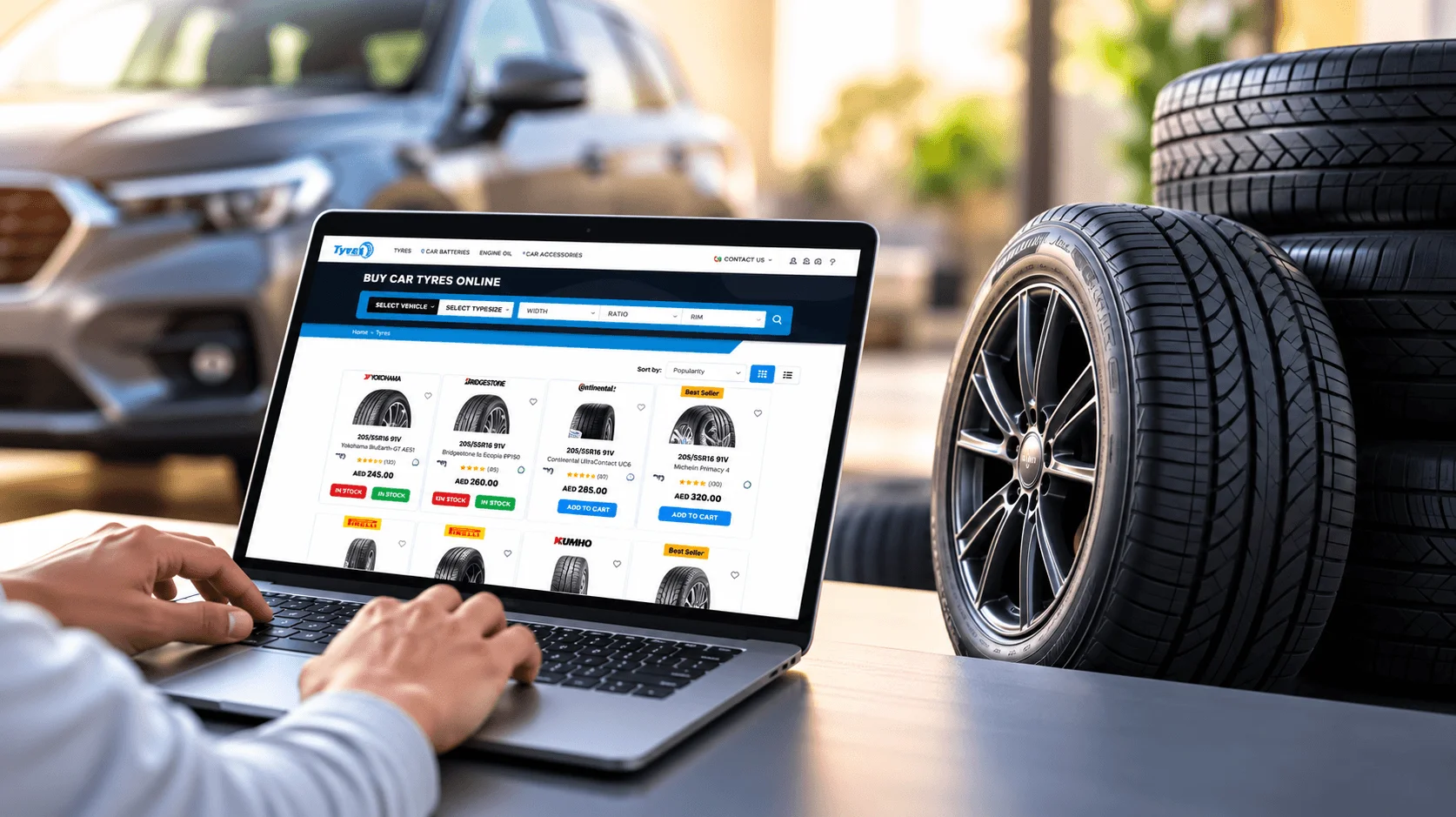
At Tire.ae, you can search for car tyres by vehicle or tyre size, compare tyres brand and arrange professional fitting through an installer. This makes it easier to find a suitable replacement when a tyre shop confirms that a damaged tyre is beyond repair.
Explore Tire.ae to compare car tyres and find an option that matches your vehicle's specifications. Choose based on fitment, safety and value, not just the lowest price.
{{Share}}
Frequently Asked Questions
Often, yes. Michelin says most tread-area punctures up to 6 mm can be professionally repaired if the tyre has not suffered internal damage.
A plug-only repair should not be treated as the preferred permanent solution. Professional guidance recommends removing the tyre, inspecting it internally and sealing both the puncture path and inner liner.
Generally, no. Sidewall and shoulder damage usually requires replacement because these areas flex heavily and may suffer structural damage.
Michelin and USTMA use 6 mm (1/4 inch) as the general maximum diameter for qualifying tread-area punctures.
October 21, 2026
Tyre Plug vs Patch vs Replacement in the UAE: When Is a Repair Safe?
October 7, 2026
Buying New Tyres Online? 10 Questions to Ask Before You Buy