
Checkout using your account
Checkout as a new customer
Creating an account has many benefits:
Reviewed By
Tyre Specialist, Tire.ae
Mohammad Mahmoudi is the Operations Manager at Tire.ae, helping customers choose the right tyres for their vehicles. He ensures professional fitting services and a reliable experience across the UAE.
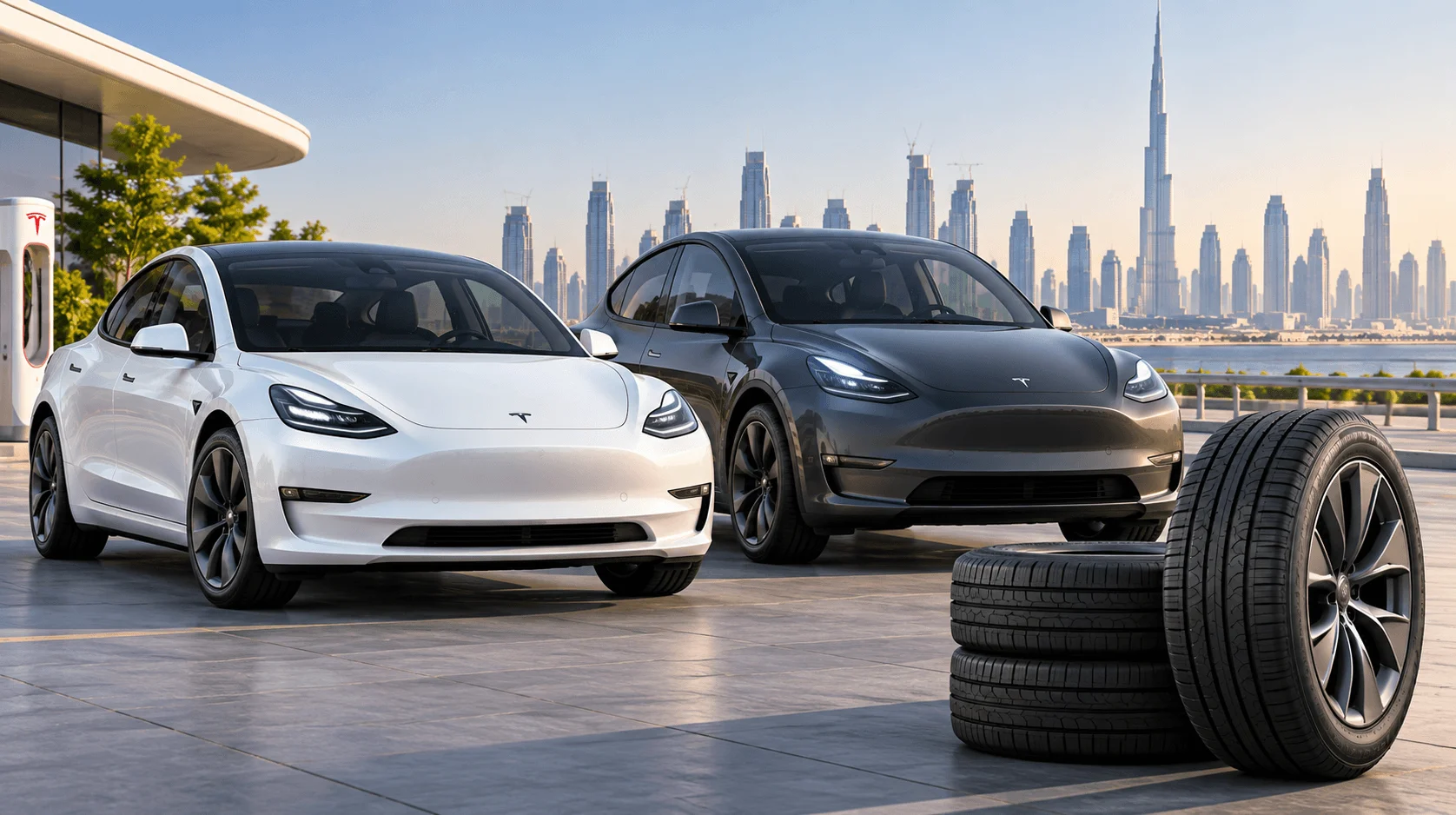
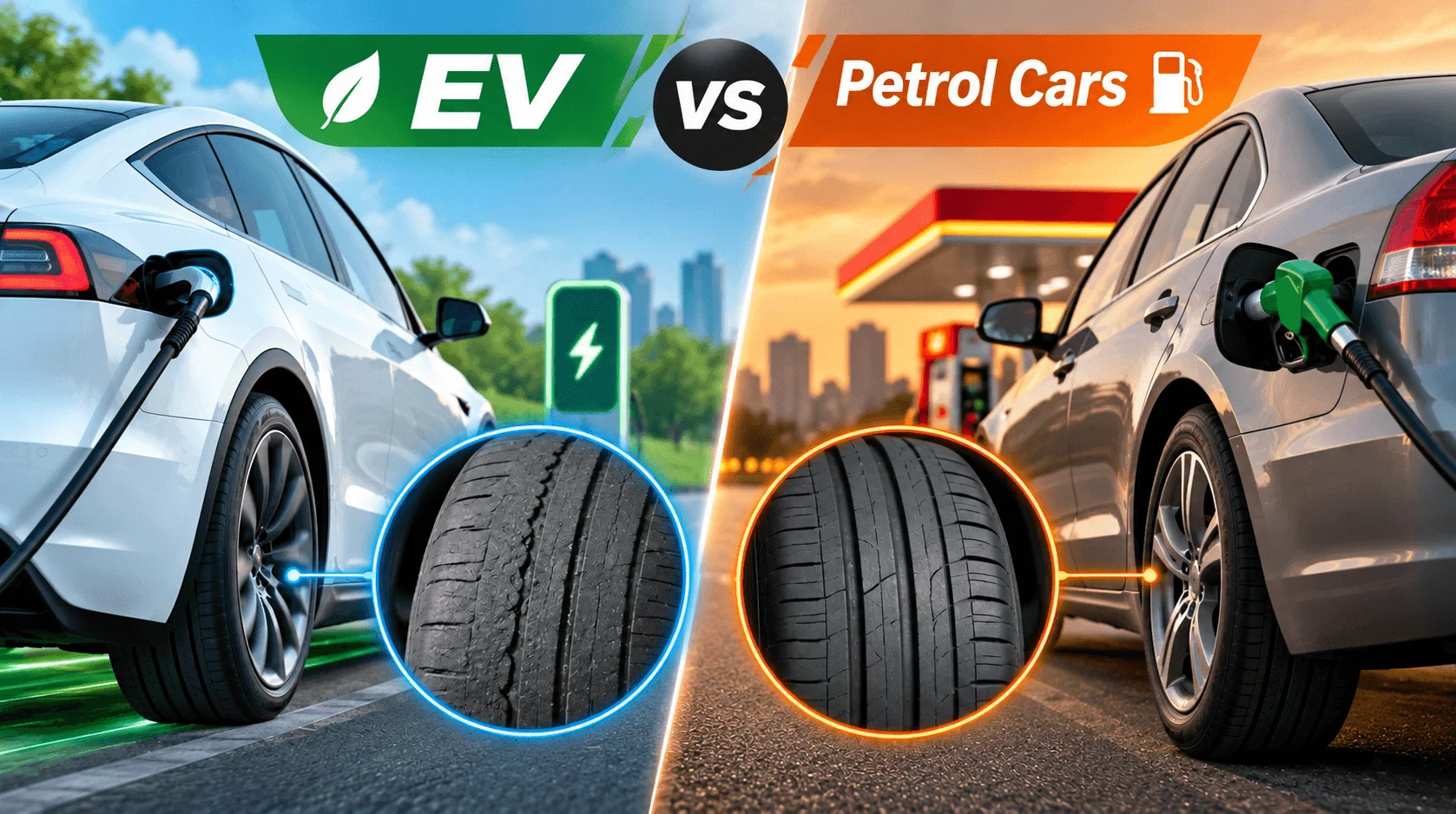
Many electric vehicles (EVs) can wear tyres faster than comparable petrol-powered vehicles because they often combine higher vehicle weight with instant torque and greater loads on the tyres during acceleration and braking.
Although EVs can offer lower running costs in some areas, their weight and torque characteristics can place greater demands on tyre tread, making tyre selection and maintenance especially important. Understanding the reasons behind this helps drivers maximize tire life while maintaining safety and driving efficiency.
As electric vehicles become more common in the UAE, some owners may find that their car tyre require replacement earlier than expected. Compared with similar petrol-powered vehicles, EVs can be heavier because of their battery packs and can deliver substantial torque almost immediately. These factors, coupled with high road temperatures and highway driving speeds, speed up tyre wear when proper care is not taken.
Replacement tyres should meet the vehicle manufacturer's required tyre size, load index, speed rating, construction, and other fitment specifications to maintain the intended handling, braking, efficiency, and tyre performance.
Although EVs have fewer moving mechanical components than petrol cars, they place greater mechanical loads on their tyres during everyday driving. A number of engineering variations add to faster tyre bustage, and regular tyre examinations are being more significant to EV proprietors. To compare EVs and petrol vehicles, two significant tyre terms may be useful to know.
Rolling resistance is the energy lost as a tyre deforms while rolling. Lower rolling resistance can improve vehicle efficiency and help preserve an electric vehicle's driving range.
The load index indicates the maximum load a tyre can carry under specified conditions. Because many EVs are heavier than comparable petrol vehicles, they may require tyres with higher load ratings.
Faster tyre wear in some electric vehicles is not caused by a single factor. It can result from a combination of higher vehicle weight, instant torque delivery, driving style, tyre construction, and how braking forces are applied during everyday use. Knowing these variables can enable EV owners to save on preventable tyre wear, and enhance running costs in the long term.
Electric motors can deliver substantial torque almost instantly, placing greater force through the tyre contact patch during acceleration. Frequent hard acceleration can therefore accelerate tread wear, particularly in stop-and-go driving.
The battery pack can add substantial weight to an electric vehicle. This increases the load carried by the tyres and can contribute to greater tread wear during acceleration, braking, cornering, and sustained highway driving.
Regenerative braking uses the electric motor to slow the vehicle while recovering energy. It changes how deceleration is produced compared with conventional friction braking, but it does not automatically damage tyres. Tyre wear still depends more heavily on vehicle weight, torque, driving style, alignment, inflation pressure, and overall tyre design.
Electric vehicles require tyres capable of handling substantial torque while maintaining grip, stability, load capacity, and efficient rolling characteristics. Tyre design therefore involves balancing several competing requirements rather than simply maximising grip or reducing rolling resistance.
Many electric vehicles are equipped with tyres specifically engineered to meet the demands of battery-powered driving. Depending on the vehicle and tyre model, EV-oriented tyres may use reinforced construction, specialised tread compounds, lower rolling resistance, or noise-control features to address weight, efficiency, and comfort requirements.
Because many EVs are relatively heavy, suitable tyres may use higher load ratings or reinforced construction to support the required axle loads while maintaining handling and stability.
Some EV-oriented tyres use compounds and construction designed to reduce rolling resistance while still maintaining the grip and braking performance required by the vehicle.
Since electric motors operate much more quietly than petrol engines, tyre noise becomes more noticeable inside the cabin. Many EV tyres incorporate noise-reducing tread patterns or internal foam technology to improve ride comfort.
Even where an EV places greater demands on its tyres, correct maintenance can help extend tread life and reduce long-term replacement costs. Regular inspections, correct tyre pressure, proper alignment, and smoother driving habits can help preserve tyre life, vehicle efficiency, handling, and range.
Underinflated tyres increase rolling resistance, deformation, and heat generation, while incorrect inflation can also contribute to abnormal tread wear and reduced handling performance. Regular monitoring of tyre pressure in line with the stipulated by the manufacturer is useful in maximizing the life of tyres and driving efficiency.
Front and rear tyres can wear at different rates because of weight distribution, steering forces, drivetrain layout, and braking loads. Where permitted by the vehicle and tyre configuration, regular rotation can help promote more even tread wear.
Wheel misalignment leads to higher rolling resistance and uneven tread wear. Because EVs are heavier than standard vehicles, proper alignment is especially important for managing tire life and ensuring handling stability.
Hard acceleration, abrupt braking, and aggressive cornering increase the forces acting on the tyres. Smoother throttle inputs, progressive braking, and controlled cornering can reduce unnecessary tread wear and support driving efficiency.
Electric vehicles can place greater demands on tyres than comparable petrol cars because of higher vehicle weight, instant torque, and different operating characteristics. These factors can contribute to faster tread wear, particularly when combined with aggressive driving, incorrect tyre pressure, or poor alignment.
Regular tyre inspections, correct inflation pressure, wheel alignment, tyre rotation where applicable, and smoother driving habits can help extend tyre life while maintaining safe and efficient vehicle performance.
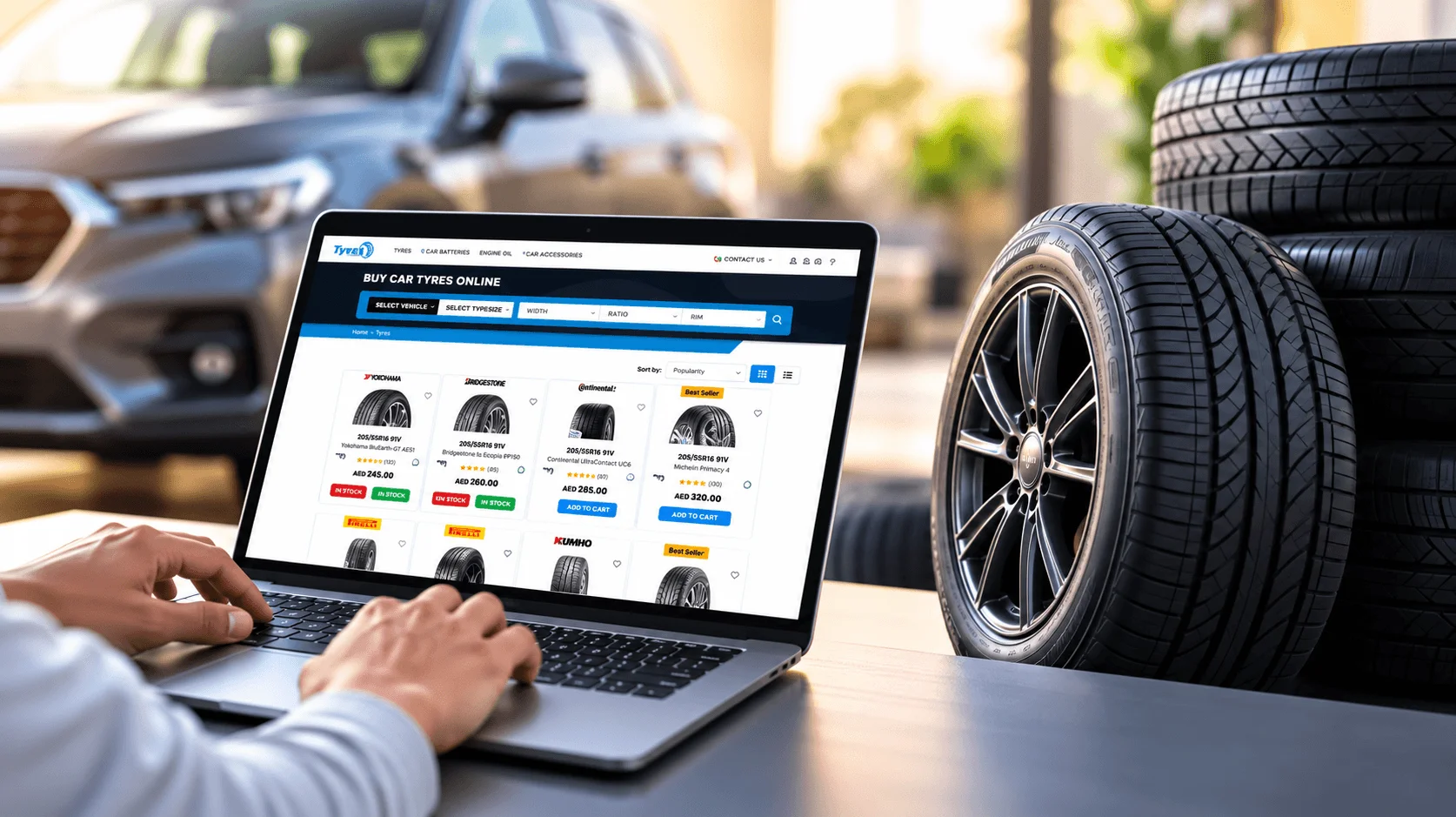
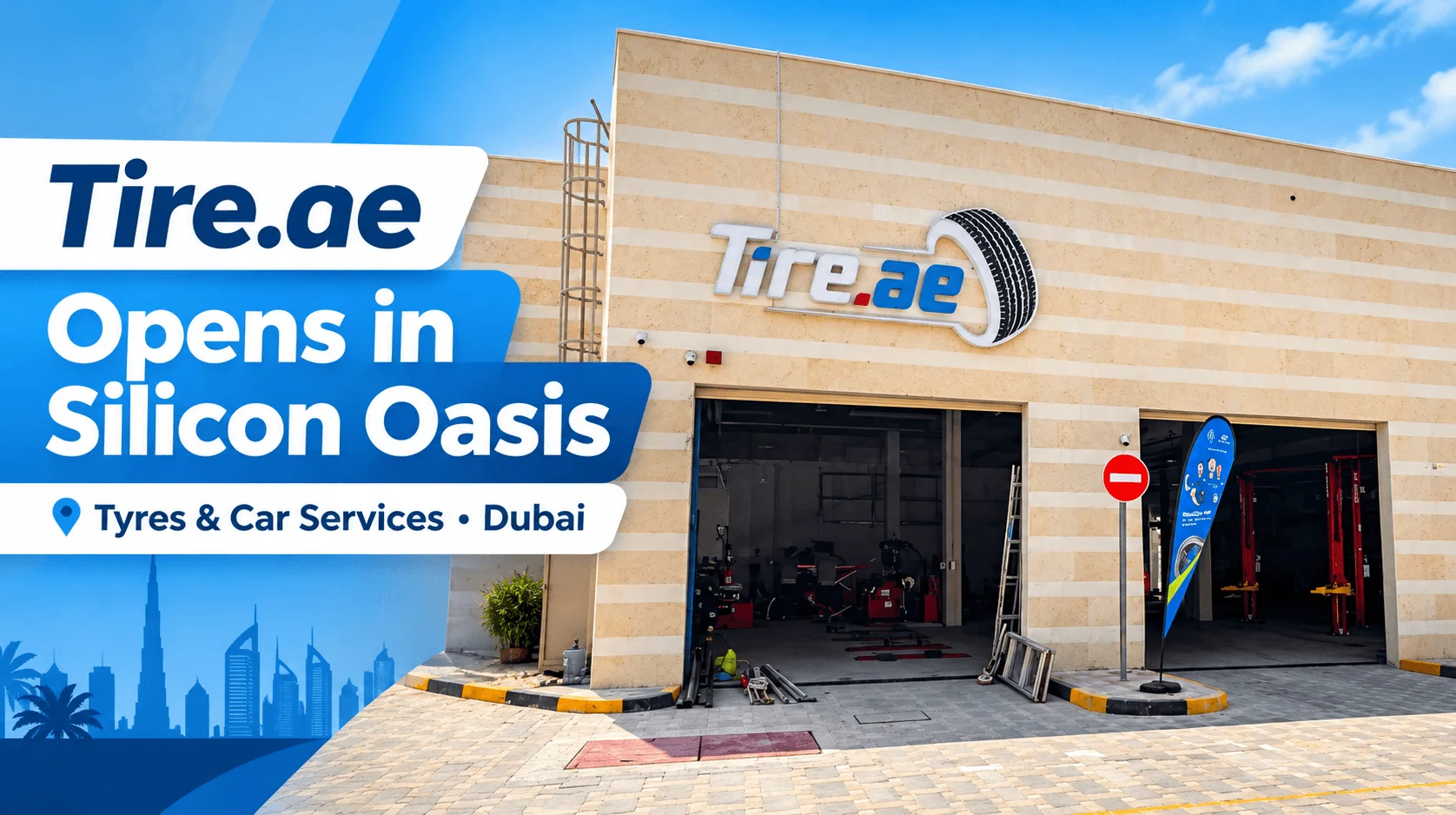
Drivers looking for replacement tyres, EV-compatible options, or professional tyre services can use Tire.ae to compare across different tyre brands, sizes, and vehicle requirements. They also provides tyre fitting, wheel balancing, wheel alignment, puncture repair, and fitment support to help UAE drivers choose tyres that match their vehicle and driving requirements.
Not always. Many EVs can wear tyres faster than comparable petrol vehicles because of higher weight, instant torque, and driving characteristics, but actual wear depends on the vehicle, tyre, maintenance, and driving style.
Yes, provided the tyres meet the vehicle manufacturer's required size, load index, speed rating, construction, and other fitment requirements. An EV-specific label is not automatically required unless the manufacturer specifies it.
No. Regenerative braking does not inherently damage tyres. Overall tread wear depends more on vehicle weight, torque, driving style, tyre design, pressure, and alignment.
Tyres should be visually inspected regularly, with tyre pressure checked at least once a month and before long journeys. Periodic wheel alignment and tyre rotation also help maximise tyre life.
Yes. Correct tyre pressure reduces rolling resistance, helping improve driving efficiency, extend tyre life, and maximise the vehicle’s available driving range.