
Checkout using your account
Checkout as a new customer
Creating an account has many benefits:
Reviewed By
متخصص في الإطارات، Tire.ae
محمد محمودي هو مدير العمليات في Tire.ae، ويساعد العملاء على اختيار الإطارات المناسبة لمركباتهم. كما يحرص على تقديم خدمات تركيب احترافية وتجربة موثوقة في جميع أنحاء الإمارات
When your car tyres are continually losing pressure, it may not necessarily be a puncture. Some of the most prevalent causes of slow pressure loss in Dubai include high temperatures, broken valves, bead leakage, and normal air permeation.
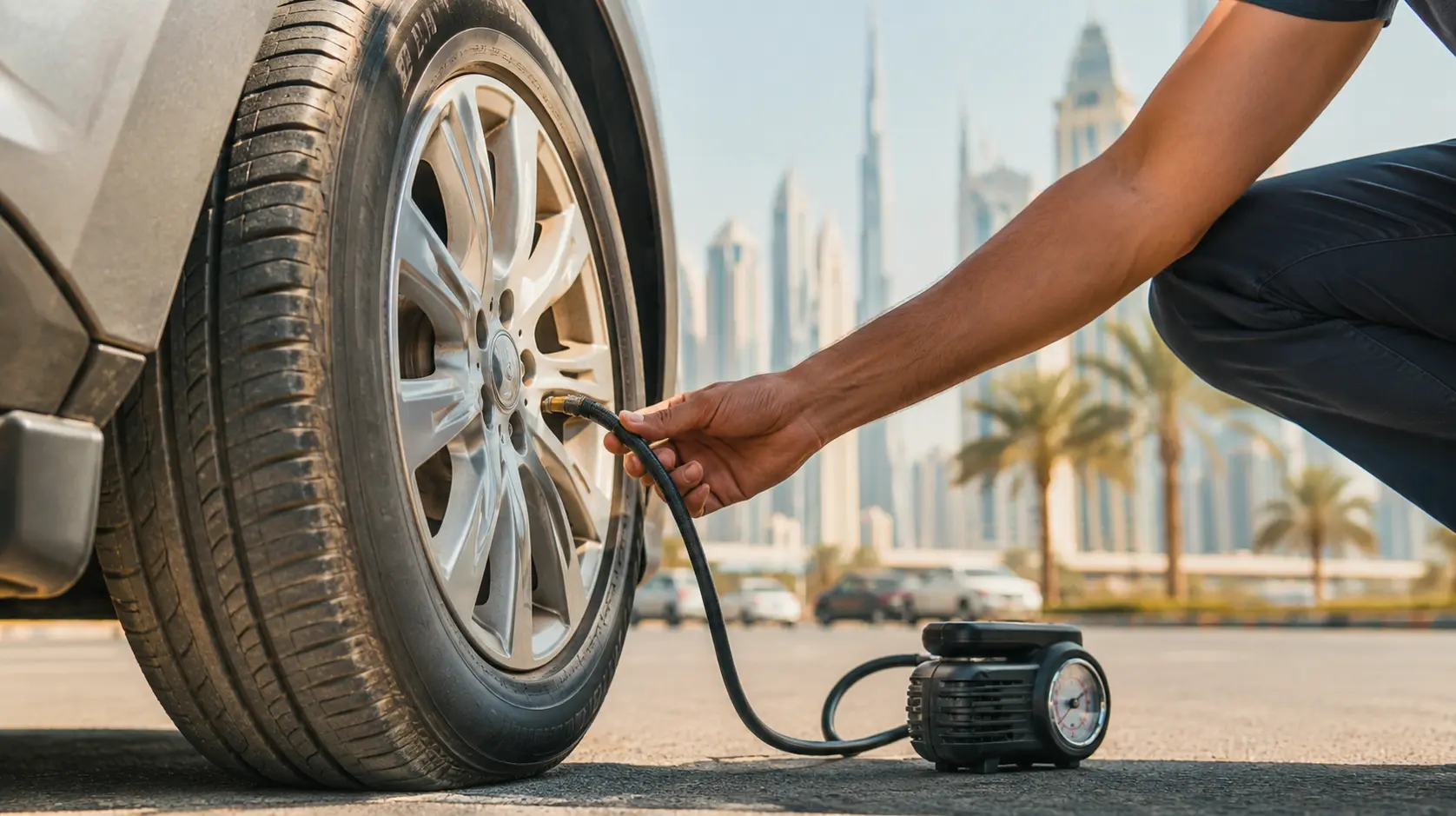
Finding the real cause as soon as possible will enhance safety, prolong tyre life, and prevent unforeseen roadside breakdowns. One of the most basic but most crucial things to take care of in tyre maintenance is maintaining the proper tyre pressure.
Tyres that are underinflated lower fuel consumption, wear out more, compromise braking, and produce excessive heat during driving. In Dubai, where the road temperatures can reach excessive levels during summer, a minor loss of pressure can affect tyre performance much more significantly than a lot of drivers imagine.
Knowledge of tyre pressure loss will make drivers aware of when a mere inflation will suffice and when they should enlist the services of a professional car tyre repair specialist.
Tyre pressure is the quantity of air that is contained within a tyre and is determined in pounds per square inch (PSI) or kilopascal (kPa). Ensuring that the pressure is maintained at the manufacturer's recommended level will maximize the tyre's life, enhance fuel efficiency, and make handling safe.
"Tyre bead" is also another significant word that is the stiffened side of the tyre that becomes close to the wheel rim to avoid air leakage.
The high temperatures in Dubai, long highway commutes, and daily commuting conditions further stress tyres. Tyre pressure varies during the day due to heat and other factors, such as road hazards and normal wear and tear, components may leak air bit by bit.
Below we have covered some of the most common causes of tyre pressure loss:
Little punctures may form from small nails, screws, or sharp debris, which will release air very slowly. Drivers usually take a few days before they realize there is repeated pressure loss.
Fix : Take the tyre to a professional inspection. A trained tyre repair Dubai expert can decide whether it is safe to repair the puncture or change the tyre.
The valve stem allows air to enter and remain in the tyre. Small leaks around the valve may develop over time due to heat or aging, or due to accidental damage.
Fix : Replacing a damaged valve stem is cheap and frequently corrects the frequent loss of pressure without replacing the tyre.
Any of the following could cause an airtight seal to be broken, resulting in air escaping over time: Corrosion, minor bends, or dirt between the tyre bead and the wheel rim.
Fix : Professional technicians can wash the sealing surface, fix small rim problems where necessary, and put the tyre back in place.
The seal between the tyre and the wheel is made up of the tyre bead. This seal may sometimes be disturbed by impacts due to potholes or kerbs, resulting in slow leaks in the air that are hard to notice.
Fix : A workshop can take the tyre off, examine the bead, clean the contact surfaces and refit the tyre back in place to restore the seal.
The change in tire pressure with temperature is natural. On cooler mornings, the tyres can show as underinflated, but the pressure increases following driving as the air in the tyres expands.
Fix : It is always best to check tyre pressure when tyres are cold and change it as per the instructions of the manufacturer of the vehicle.
All tyres tend to lose some small amount of air through the rubber without damage to the tyre in a process called natural air permeation. This is because oxygen molecules gradually travel through the tyre structure as time goes by and is deemed normal in all vehicles.
Fix : Tyre pressure should be checked at least once a month and prior to long journeys. Periodic pressure checks are a critical component of tyre care, and they avoid uneven tires, low fuel efficiency and unnecessary strain on the tires.
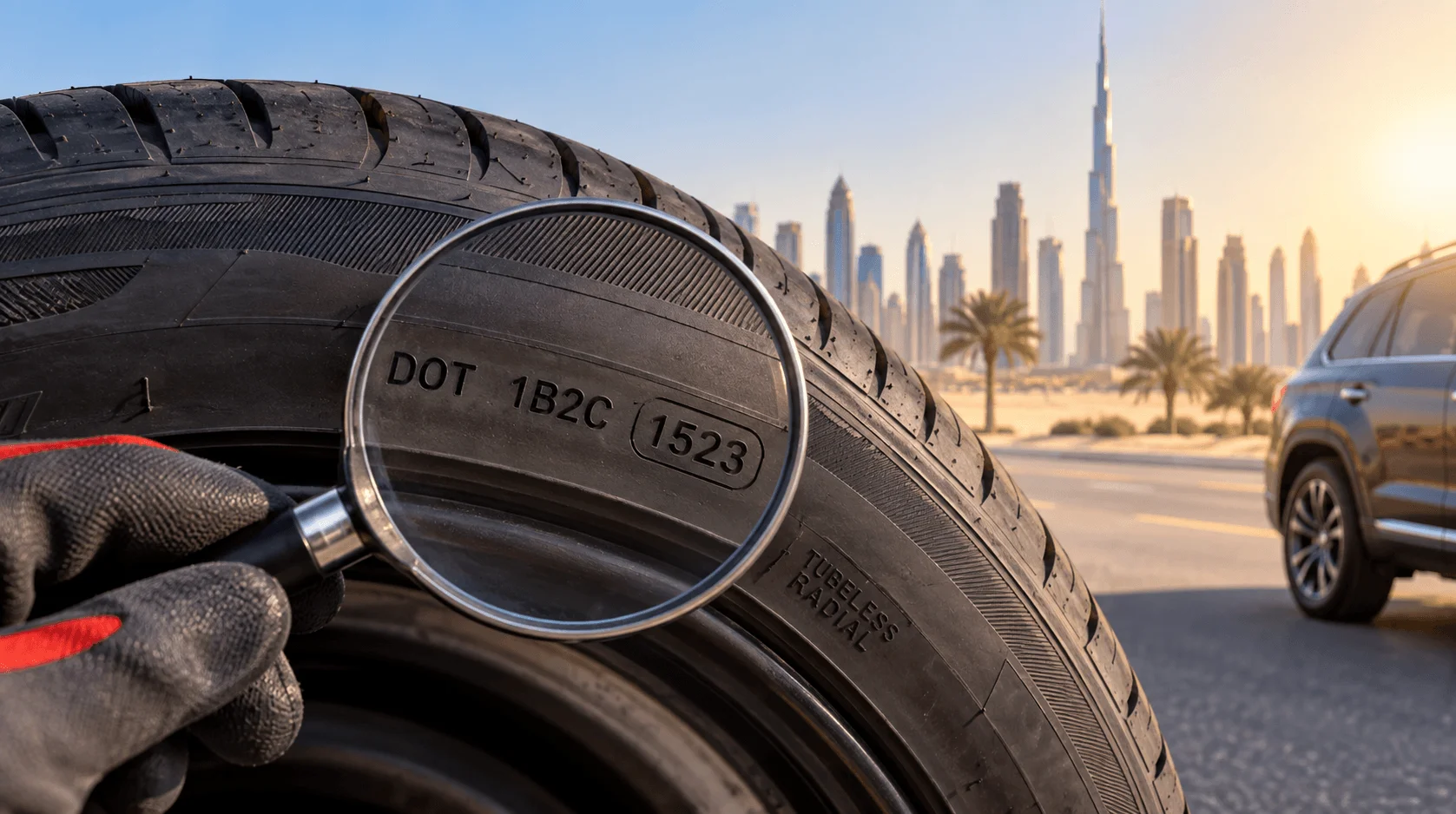
Due to the age of tyres, the rubber may become rigid, crack and become less flexible because of long exposure to the heat and UV radiation in Dubai. The sidewall cracks or internal structural damage can be small, and this can cause air to leak out slowly as well as increase the chances of tyre failure.
Fix : Check tyres every now and then to see whether they have cracks, bulges or sidewall damage. When there is structural deterioration, then tyre replacement is much safer than trying to repair it.
Not every pressure loss requires immediate tyre replacement, but repeated air loss should never be ignored. A professional inspection can identify whether the issue is caused by a repairable puncture, damaged valve, leaking bead, or an ageing tyre that has reached the end of its service life.
Signs that indicate professional car tyre repair may be required include:
Sometimes driving to a workshop is neither safe nor practical, especially if the tyre has lost significant pressure. In these situations, mobile tyre repair Dubai services provide a convenient solution by sending trained technicians directly to your location.
Mobile assistance is particularly useful when:
Tyres that keep losing pressure are likely to indicate a problem and not just need more air. The most common causes in the challenging driving environment of Dubai include small punctures, leaking valves, damaged wheel rims, aging rubber, bead leaks, and natural air permeation. Determining the precise cause at an early stage will prevent untimely tyre wear and tear, improve fuel consumption and prevent unexpected roadside failures.
In case you require professional Car Service, tyre repair in Dubai, mobile tyre repair in Dubai, or professional car tyre repair solutions, Tire.ae offers all-in-one tyre services in the UAE. Their skilled technicians perform puncture repairs, tyre checks, mobile roadside services, and preventative tyre services to ensure that customers keep their cars safe, dependable and prepared to go in any direction.
توصي معظم شركات تصنيع الإطارات بفحص ضغط الهواء في الإطارات مرة واحدة على الأقل كل شهر وقبل القيام برحلات طويلة على الطرق السريعة، ويفضل أن يكون ذلك عندما تكون الإطارات باردة.
نعم. تؤثر التقلبات في درجات الحرارة على ضغط الإطارات، كما أن التعرض المطول للحرارة الشديدة قد يؤدي إلى تسريع شيخوخة الإطارات ويساهم في حدوث مشكلات متعلقة بضغط الهواء.
لا. عادةً ما يشير تكرار فقدان الضغط إلى وجود مشكلة أساسية يجب فحصها من قبل متخصص، بدلاً من إعادة نفخ الإطار مرارًا وتكرارًا.
لا. تعتمد الإصلاحات على حجم الضرر وموقعه ودرجة خطورته. وعادةً ما يتطلب تلف الجدار الجانبي والثقوب الكبيرة استبدال الإطار.
تُعد خدمة إصلاح الإطارات المتنقلة في دبي الخيار الأمثل عندما يتعذر قيادة سيارتك بأمان أو عندما تحتاج إلى مساعدة متخصصة في منزلك أو مكان عملك أو على جانب الطريق.